Beyond the Hook: Navigating the Catastrophic Reality of Phishing Attacks
joemrnice
•
•
4 min read
•
93 views
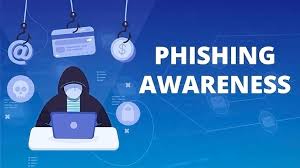
What is a phishing attack?
A phishing attack is a type of social engineering where cybercriminals masquerade as a trusted entity—such as a bank, colleague, or popular brand—to trick victims into revealing sensitive information like login credentials, credit card numbers, or financial data. These attacks commonly aim to steal money, deploy malware (like ransomware), or gain unauthorized access to corporate networks.
Common Types of Phishing --
Email Phishing: The most frequent method, where bulk fraudulent emails are sent to thousands of recipients hoping some will "take the bait."
Spear Phishing: A highly targeted attack directed at a specific individual or organization, often using personalized details researched from social media to increase credibility.
Whaling: A specialized form of spear phishing that targets high-level executives like CEOs or CFOs to steal high-value data or authorize large wire transfers.
Smishing & Vishing: Phishing conducted via SMS text messages (Smishing) or phone calls (Vishing).
Quishing: The use of malicious QR codes in emails or physical locations that lead to fraudulent websites when scanned.
Clone Phishing: An attacker copies a legitimate, previously delivered email and replaces links or attachments with malicious versions.
The Catastrophe: Why Phishing is a Business Killer
A single successful "hook" can lead to organizational ruin. The fallout is rarely just about a stolen password; it triggers a cascade of devastating consequences:
Financial Ruin: High-profile cases, like the 2023 MGM Resorts breach, cost companies upwards of $100 million. In 2019 alone, phishing-related crimes resulted in $1.7 billion in losses for organizations globally.
Operational Paralysis: Ransomware, often delivered via phishing, can bring critical infrastructure to a standstill. The 2021 Colonial Pipeline attack shut down nearly half of the U.S. East Coast oil supply for a week.
Reputational Suicide: Trust is harder to rebuild than systems. Surveys show that over 40% of consumers will stop spending with a brand for months after a data breach, and many will never return.
Legal and Regulatory Hammers: Under frameworks like GDPR, organizations can face fines of up to 4% of their annual global turnover for failing to protect user data.
Key Red Flags to Watch For
To identify a phishing attempt, look for these warning signs provided by the NCSC and FBI:
Urgent or Threatening Language: Messages pressuring you to act immediately to avoid "account deactivation" or "legal action."
Suspicious Sender Addresses: Email addresses that look official but have subtle misspellings (e.g., micros0ft.com instead of microsoft.com).
Generic Greetings: Use of "Dear Customer" or "Valued Member" instead of your actual name.
Mismatching Links: When you hover your mouse over a link, the actual destination URL shown in your browser does not match the link text.
Poor Grammar & Spelling: While AI is making messages more professional, many still contain awkward phrasing or errors.
How to Protect Yourself
Enable Multi-Factor Authentication (MFA): Even if an attacker steals your password, MFA provides an extra layer of security.
Verify Directly: If you receive an "urgent" request from a bank or boss, do not click the provided link. Instead, visit the official website manually or call a known phone number.
Use Security Software: Antivirus, firewalls, and email filters can block many known phishing threats.
Think Before You Click: Take five seconds to scrutinize any unexpected message, especially those with attachments or links.
Layered Solutions: Tackling the Threat Head-On
Because attackers target people, not just technology, your defense must be multi-layered:
Technical Fortification: Implement Multi-Factor Authentication (MFA) immediately; it is the single most effective deterrent against credential theft. Use advanced email security tools (DMARC, SPF, DKIM) to prevent domain spoofing.
The Human Firewall: Move beyond dry, yearly lectures. Conduct regular, interactive phishing simulations to train employees on modern red flags like urgency cues and AI-generated persuasive language.
Zero Trust Architecture: Limit user access to the absolute minimum required for their roles. If an account is compromised, this "least privilege" principle prevents attackers from moving laterally through your network.
Vigilant Response: Have a battle-tested Incident Response Plan. If an attack is detected, act within seconds to isolate affected devices and revoke active session tokens before data can be exfiltrated.
About the Author
Written by joemrnice